
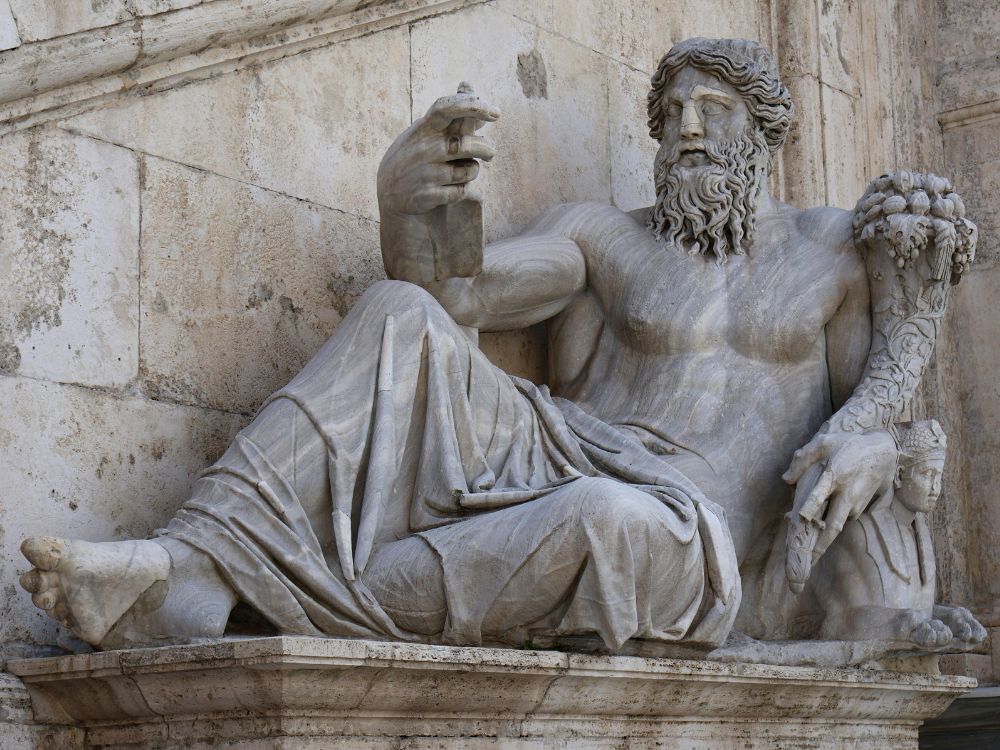
Athens is a city where mythology is not confined to books or museums. It lives within the streets, the hills, and the landmarks that shape the urban landscape. For thousands of years, myths were not just stories told for entertainment; they were part of how people understood the world around them. Even today, those ancient narratives continue to influence the identity of the city, creating a unique environment where past and present coexist in a seamless and fascinating way.
For visitors exploring Athens, mythology offers a completely different way to experience the city. Instead of simply observing monuments, it allows them to step into a world of gods, heroes, and legendary events. Every location becomes part of a larger narrative, transforming a simple walk into a journey through time and imagination.
One of the most central figures in Athenian mythology is Athena, the goddess of wisdom and protector of the city. According to ancient myth, Athens was named after her following a competition with Poseidon, the god of the sea. Both gods sought to become the patron deity of the city, offering gifts to its people. Poseidon struck the ground with his trident, creating a saltwater spring, while Athena offered an olive tree, symbolizing peace, prosperity, and life. The citizens chose Athena’s gift, and from that moment, she became the eternal guardian of Athens.
This myth is not just a story; it is deeply embedded in the city’s identity. The olive tree remains a powerful symbol of Greece, representing resilience and continuity. Walking through Athens, visitors can still find olive trees scattered across the landscape, subtle reminders of this ancient tale. The Acropolis, where the Parthenon stands as a tribute to Athena, becomes more than an archaeological site — it becomes a symbol of the city’s origins and its connection to the divine.
However, mythology in Athens extends far beyond Athena. The city is filled with references to other gods, heroes, and legendary figures whose stories are intertwined with its geography. The hill of Ares, known as the Areopagus, is associated with the god of war and ancient trials. According to myth, this was the place where Ares himself was judged by the gods for his actions, giving the location a sense of both power and justice. Standing on this hill today, overlooking the city, one can imagine the weight of those ancient stories and their significance in shaping Athenian culture.
Nearby, the Pnyx Hill holds its own historical and mythological importance. While primarily known as the birthplace of democracy, it is also connected to the broader narrative of ancient Athens as a center of thought, philosophy, and civic life. In a city where mythology and history are deeply intertwined, it is often impossible to separate one from the other. The same spaces that hosted political debates also carried symbolic meanings influenced by myths and beliefs.
Another fascinating aspect of Greek mythology in Athens is how it brings to life the relationship between humans and the divine. Unlike many modern interpretations of gods as distant or abstract figures, the ancient Greeks imagined their gods as deeply involved in everyday life. They were present in nature, in decisions, and in the outcomes of human actions. This perspective adds another layer to exploring Athens, as every location can be seen as part of an ongoing interaction between the mortal and the divine.
Walking through neighborhoods such as Plaka and Anafiotika, this connection becomes even more vivid. The narrow streets, hidden corners, and traditional architecture create an atmosphere that feels almost timeless. It is easy to imagine that behind each corner, a story might be waiting to be discovered — a trace of a god, a forgotten myth, or a legend that once shaped the way people saw the world.
Mythology also plays a significant role in shaping the emotional experience of the city. Stories of gods and heroes are filled with themes of power, conflict, love, and transformation. These themes are universal, allowing visitors from different cultures and backgrounds to connect with them on a deeper level. Exploring Athens through mythology is not just an intellectual exercise; it is an emotional journey that invites reflection and imagination.
In recent years, there has been a growing interest in experiencing mythology in more interactive ways. Instead of simply learning about myths through books or guided explanations, visitors are seeking experiences that allow them to engage with these stories more actively. This shift reflects a broader trend in travel, where participation and immersion are becoming increasingly important.
By following mythological routes, solving clues, or engaging with storytelling-based experiences, visitors can transform their exploration of Athens into something far more dynamic. The city becomes a stage, and they become part of the narrative. This approach not only makes the experience more engaging but also helps bring ancient stories to life in a way that feels relevant and accessible.
What makes Athens truly unique is its ability to bridge the gap between myth and reality. The stories of the gods may belong to the past, but their presence can still be felt in the atmosphere of the city. From the grandeur of the Acropolis to the quiet corners of its neighborhoods, Athens offers countless opportunities to connect with its mythological heritage.
Ultimately, exploring Greek mythology in Athens is about more than understanding ancient stories. It is about experiencing the city through a different lens, one that reveals its depth, its symbolism, and its timeless appeal. It invites visitors to look beyond what is visible and to imagine the layers of meaning that lie beneath the surface.
Because in Athens, mythology is not just something you learn about — it is something you can still walk through, step by step.